The Standard Pilot Logbook: A Designer's Essential
For graphic designers and creative professionals, The Standard Pilot Logbook is a versatile and essential tool that can significantly enhance your design projects. Whether you're working on branding, marketing materials, or digital content, this logbook offers a structured and professional approach to managing and presenting your work.
Understanding The Standard Pilot Logbook
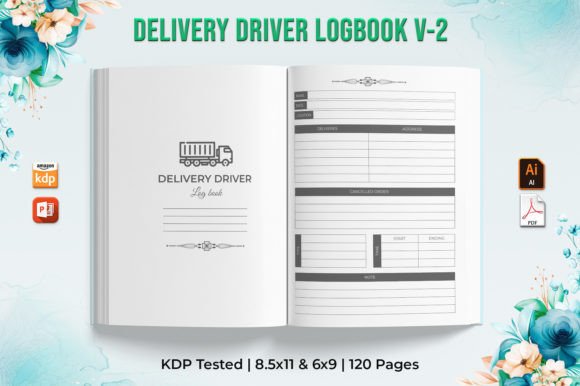
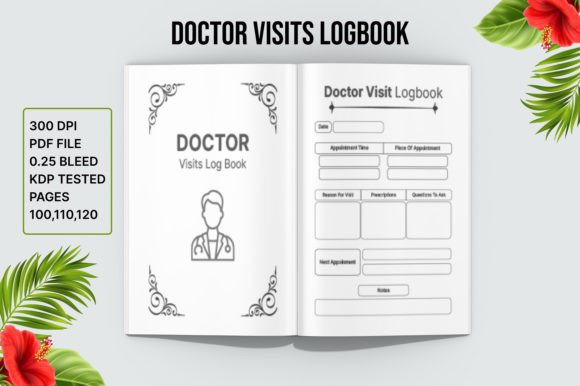
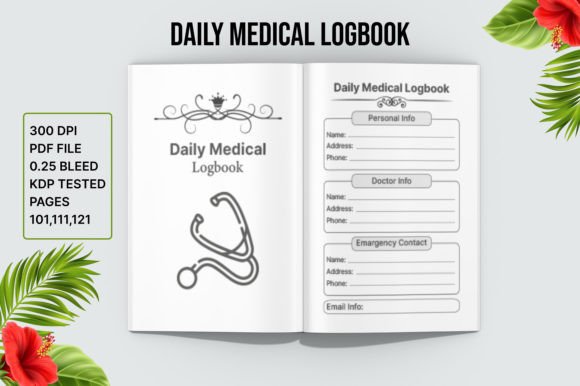
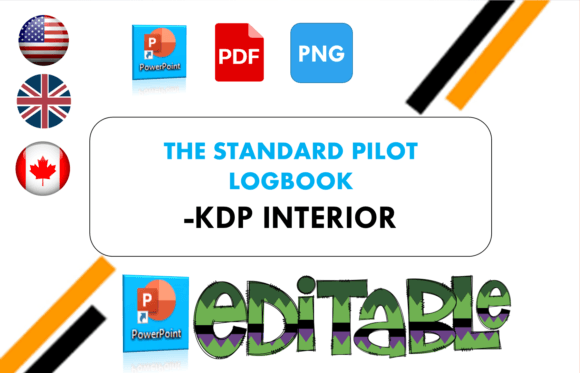
The Standard Pilot Logbook is designed with the modern designer in mind, offering a 100% editable and print-ready solution. It comes with 120 pages, perfectly formatted and tested for KDP (Kindle Direct Publishing), making it ideal for both personal and commercial use. Here are some key features:
- Dimensions: 8.25 x 6 inches, providing a compact yet spacious layout.
- Editable: Fully customizable to fit your specific needs and style.
- Pages: 120 pages, giving ample space for detailed documentation.
- Bleed: No bleed, ensuring clean and precise printing.
- File Formats: PDF, PPTs, and PNG files, catering to various editing and publishing requirements.
Practical Applications in Graphic Design
The Standard Pilot Logbook is not just a simple notebook; it's a powerful tool that can be integrated into various aspects of graphic design. Here’s how it can be used effectively:
Branding and Logo Design
When developing a brand identity, consistency is key. The Standard Pilot Logbook allows you to document and organize all your design elements, from logos to color palettes, ensuring a cohesive and professional look. This is particularly useful for maintaining brand standards across different platforms and materials.
Marketing Materials
Creating compelling marketing materials requires a clear and organized approach. Use the logbook to sketch out ideas, plan layouts, and track the progress of brochures, flyers, and other promotional items. This helps in maintaining a high level of quality and consistency in your designs.
Social Media Graphics
In the fast-paced world of social media, having a well-organized logbook can be a game-changer. Document your social media strategy, design templates, and content schedules. This ensures that your visual content is consistent and aligns with your overall brand message.
Website and UI Design
For web and UI designers, the logbook serves as a valuable resource for planning and documenting user interfaces, wireframes, and design systems. It helps in creating a seamless and intuitive user experience by keeping all design elements and interactions well-documented and easily accessible.
Editorial Layouts
Designing editorial content, such as magazines and newsletters, involves a lot of planning and coordination. The Standard Pilot Logbook provides a structured format to brainstorm, plan, and execute your editorial designs, ensuring that each page is visually appealing and well-organized.
Packaging Design
Effective packaging design requires careful consideration of form, function, and aesthetics. Use the logbook to sketch initial concepts, document material choices, and plan the final design. This helps in creating packaging that not only looks great but also meets practical and functional requirements.
Advertising Campaigns
Managing an advertising campaign involves multiple components, from concept development to execution. The logbook can help you keep track of all the creative elements, timelines, and deliverables, ensuring that your campaign is well-coordinated and impactful.
Presentations and Merchandise
Whether you’re preparing a presentation or designing merchandise, the logbook can be a handy tool. It allows you to outline your ideas, create storyboards, and document the design process, resulting in a polished and professional final product.
Tips for Effective Use
To get the most out of The Standard Pilot Logbook, consider these tips:
- Consistency: Maintain a consistent style and format throughout your logbook to ensure clarity and professionalism.
- Readability: Use clear and legible fonts and spacing to make your notes and designs easy to read and understand.
- Scalability: Plan your designs with scalability in mind, so they can be easily adapted for different sizes and formats.
- Visual Hierarchy: Organize your content with a clear visual hierarchy, using headings, subheadings, and bullet points to guide the viewer through your information.
- Audience Focus: Always keep your target audience in mind, tailoring your designs to meet their expectations and needs.
By integrating The Standard Pilot Logbook into your design workflow, you can enhance the quality and efficiency of your projects. It’s a valuable asset for any designer looking to create professional and impactful visual communications. Embrace the power of thoughtful design and see how it can transform your creative endeavors.